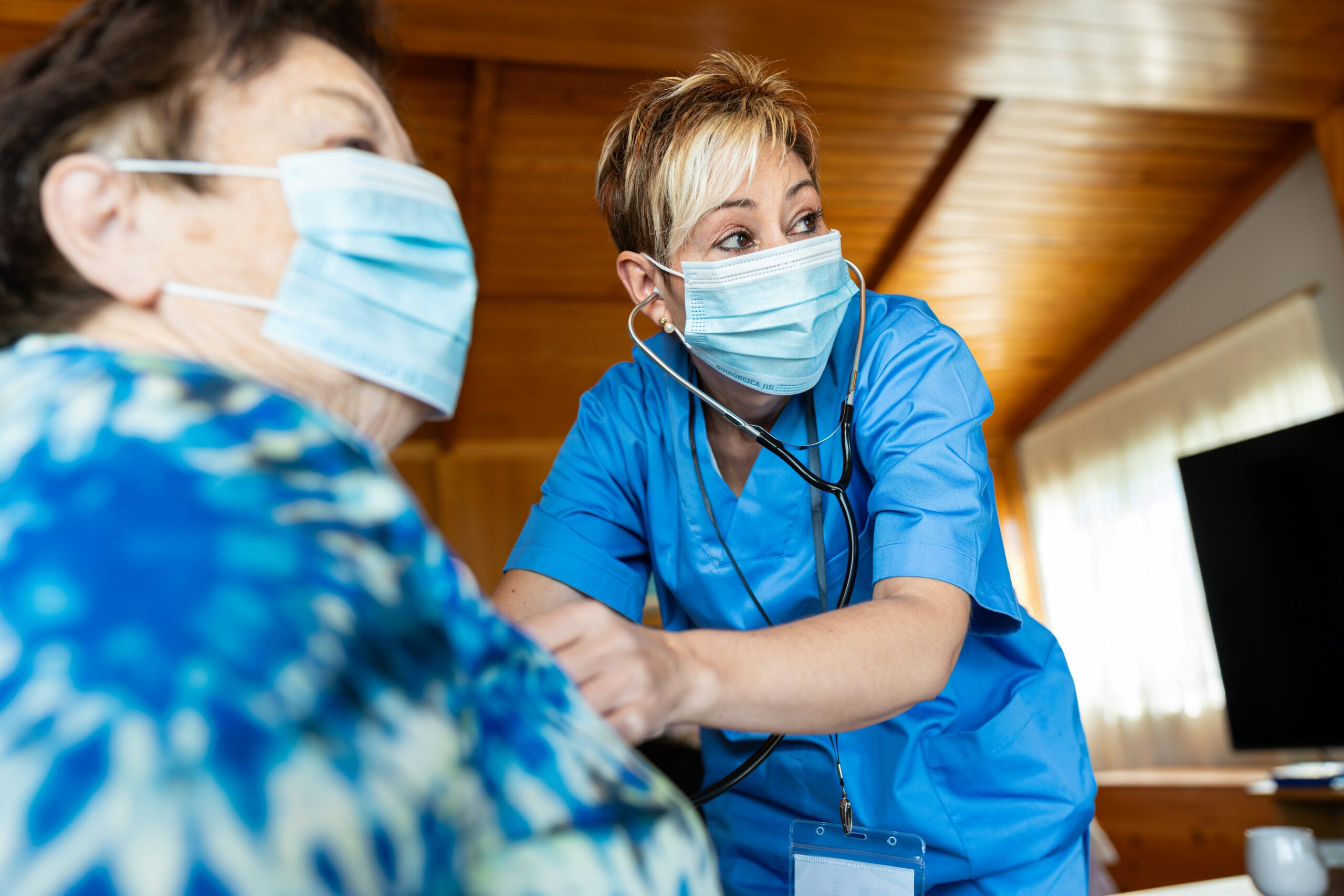
Strong healthcare crisis leadership shapes how well health systems perform under pressure. Leaders guide teams, protect patients, and keep operations steady during uncertain moments. They move fast, think clearly, and support their staff through difficult situations. When leaders stay prepared and confident, teams feel ready to respond. Effective leaders help organizations remain organized and calm even when conditions shift without warning.
Healthcare crises often start without warning. Leaders must take action right away to prevent confusion. They use clear plans and strong communication to create direction and order. Their choices influence every part of the response. Skilled leaders understand the needs of their teams and use insight to support them. They move with purpose and focus on positive outcomes. Their leadership makes the difference between chaos and control.
Building Strong Decision-Making Skills
Leaders make quick decisions during a healthcare crisis. They gather facts, study the situation, and choose a direction. Their choices must benefit both patients and staff. When leaders make firm decisions, teams gain confidence. They trust their guidance and follow instructions with clarity. This creates strong teamwork and smooth action.
Leaders stay flexible during sudden changes. They adjust plans as new details appear. They also check in with teams to see what support they need. These actions help leaders maintain control. Good decisions keep teams focused. They also protect resources and reduce stress. Decision-makingDecision-making becomes stronger when leaders practice it regularly. Training and real-world exercises help leaders grow these skills.
Strengthening Communication for Clear Direction
Communication remains the heart of healthcare crisis leadership. Leaders share updates that guide staff through each stage of the emergency. They speak clearly and avoid complex words so everyone can understand. Teams feel more secure when they receive regular updates. This helps them stay calm and productive.
Leaders also listen to staff. They welcome questions and feedback. This builds trust and encourages teamwork. When staff feel heard, they work with more confidence. Leaders create open communication paths that support strong coordination. Smooth communication helps teams make fast adjustments. It also reduces mistakes and increases safety for everyone involved.
Guiding Teams Through Emotional Pressure
Healthcare crises create emotional stress for staff. Leaders support their teams by fostering a safe, encouraging environment. They show empathy and remind staff that their work matters. This helps reduce fear and anxiety. Leaders also promote healthy habits such as taking breaks and asking for help. These actions help staff maintain energy and stay focused during long events.
Leaders remain present with their teams. They check in often and offer guidance. They also praise good work and highlight strengths. This increases morale and keeps teams motivated. Emotional support creates resilience. Teams that feel supported recover faster after crises and stay prepared for future challenges.
Encouraging Collaboration Across the System
Healthcare crisis leadership becomes stronger through teamwork. Leaders bring different departments together and help them work as one. They create shared goals that support patient safety and smooth operations. This unites the organization and encourages cooperation.
Collaboration helps teams solve problems faster. Leaders guide discussions that spark new ideas. Staff with different skills learn from one another. This improves the overall response. Leaders also help clear barriers that block communication. They connect teams so they can share supplies, space, and knowledge. Strong collaboration creates efficient action across the entire system.
Developing Preparedness Through Training and Practice
Preparedness strengthens healthcare crisis leadership. Leaders teach teams how to respond to emergencies through training and drills. These activities help staff practice real-world skills. Teams learn to move quickly and stay calm. Training also allows leaders to identify gaps in plans and fix them before real events occur.
Leaders encourage ongoing learning. They review crises after they pass and study what went well. They also explore what needs improvement. This mindset creates growth and resilience. Prepared teams move with confidence during real emergencies. Prepared leaders stay one step ahead and guide teams with clarity.
Managing Resources With Skill and Insight
Leaders must protect and manage resources during crises. Supplies, space, and staff can become limited. Leaders monitor what the system needs and direct items where they matter most. They stay organized and keep track of supplies in real time. This prevents waste and supports fast action.
Staffing becomes a significant challenge during crises. Leaders assign roles that match skills and experience. They also move teams where they are needed most. These actions protect patient safety. Leaders who manage resources well reduce stress on their teams. They also keep the system stable for a long time.
Leading With Confidence and Humanity
Healthcare crisis leadership calls for strength paired with compassion. Leaders stay calm even when pressure rises. Their quiet presence reassures staff. They show honesty and hope during challenging moments. This inspires teams to keep moving, even when conditions strain them.
Leaders who show humanity create environments where everyone feels valued. They remind teams that their work saves lives. They also encourage kindness and teamwork. Human-centered leadership makes organizations stronger. It helps staff push through fear and focus on their mission.
Reflecting and Growing After Every Crisis
Once a crisis ends, leaders shift toward reflection. They meet with teams to discuss what they learned. These conversations help leaders improve plans. Reflection also allows teams process their experiences. Leaders listen with care and celebrate success. They also highlight lessons that support stronger responses next time.
Growth keeps organizations resilient. Each crisis becomes a chance to improve. Leaders who focus on progress help create systems that adapt and thrive. Reflection brings new ideas and helps teams feel ready for whatever comes next.
Strong healthcare crisis leadership shapes every part of emergency response. Leaders guide teams with skill, empathy, and confidence. They communicate clearly, make firm decisions, support emotional well-being, and manage resources wisely. Their leadership encourages teamwork and builds resilience. Prepared leaders help organizations stay steady during high-pressure events. With strong leadership, health systems grow stronger and more ready for future crises.